
2025-11-26
Traditional lighting engineering has long been trapped by three major technical bottlenecks: independent subsystems running with heterogeneous protocols, creating data silos; operations and maintenance relying on manual inspections with delayed fault localization; and extensive energy management lacking precise regulation.
The key to breaking these barriers lies in the deep integration of Digital Twin and Cloud Control technologies. The former creates a dynamic digital mirror of the physical lighting system, while the latter provides wide-area access and remote regulation capabilities, shifting lighting management from reactive response to proactive oversight.
Seekway Cloud Platform 3.2 is built upon this logic. It establishes a comprehensive technical framework covering the entire lifecycle of lighting engineering.
The platform features a complete three-tier architecture:
The system supports million-level concurrent device access, providing a solid connectivity foundation for city-scale lighting deployments.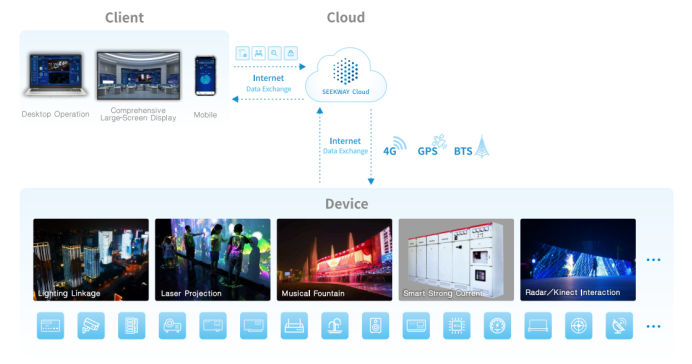
The platform’s digital twin engine integrates IoT sensing, RDM monitoring, GIS+BIM models, and AI simulation algorithms, driven by a cloud-native 3D rendering engine.
Based on 3D GIS and BIM, the platform performs full-link dynamic simulation of the "lighting, control, signal, power, and monitoring" layers. When a fault occurs, it automatically locates it with precision and alarms, allowing O&M personnel to grasp the entire situation without on-site visits. For synchronization control, multisource time correction technology maintains synchronization accuracy within 10 ms, and the BeiDou/GPS dual-mode positioning reaches sub-meter precision. This is essential for a Full-Scene Sound-Light-Electricity Linkage, ensuring that elements like music, water shows, and projections align strictly in large-scale performances.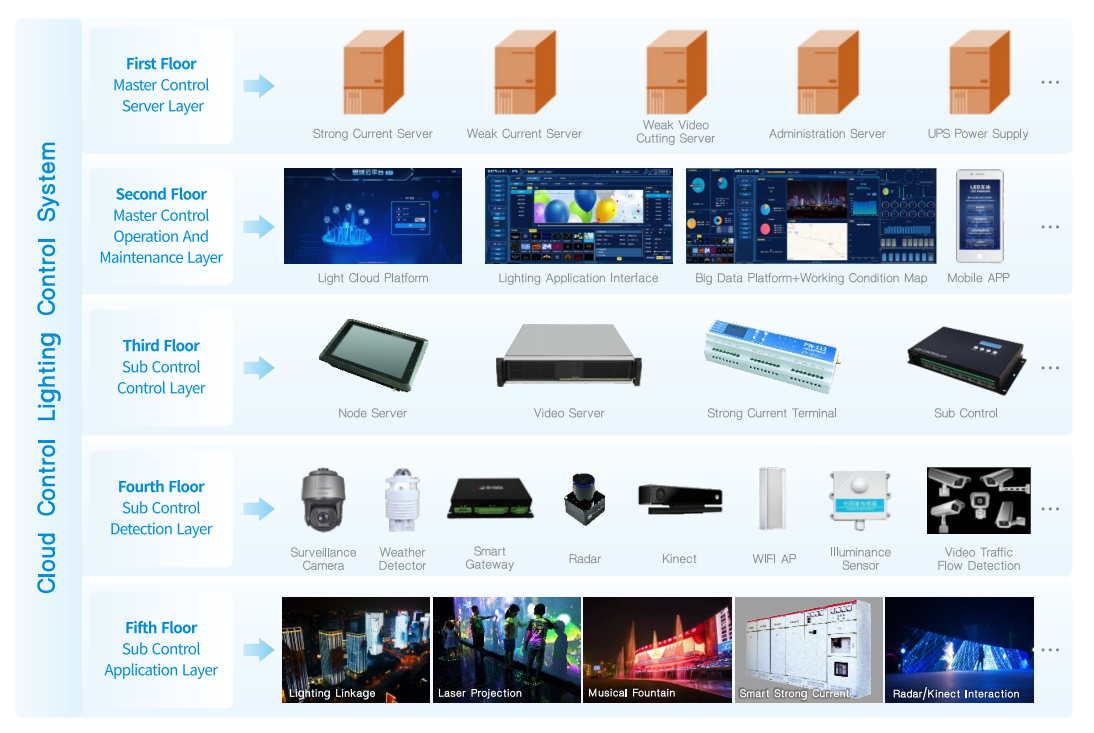
The platform adopts a distributed cloud-edge architecture. Edge nodes handle real-time control and simple analysis nearby, with command response latency under 1 second; the cloud is responsible for global strategy optimization and big data analysis. Task collaboration and partitioning between the ends guarantee both real-time performance and massive data mining, smoothly bearing millions of concurrent requests during peak hours within this Intelligent Lighting Control framework.
The platform covers all dimensions—integration, linkage, O&M, energy saving, interaction, commerce, and display—through seven major technical features.
It converges subsystems for geographic information, fault warning, energy consumption monitoring, video surveillance, lighting interaction, and digital twin into one platform via standardized data buses and open APIs. It also supports access to smart city platforms, thoroughly eliminating data chimneys.
Using "scene" as the minimum unit, it uniformly controls lighting, lasers, fountains, audio, and projections through the three steps of scene creation, orchestration, and performance. Within a 10 ms synchronization deviation, it enables tightly timed performances such as mountain-water-building linkage and musical fountain light shows, delivering a compelling Full-Scene Sound-Light-Electricity Linkage.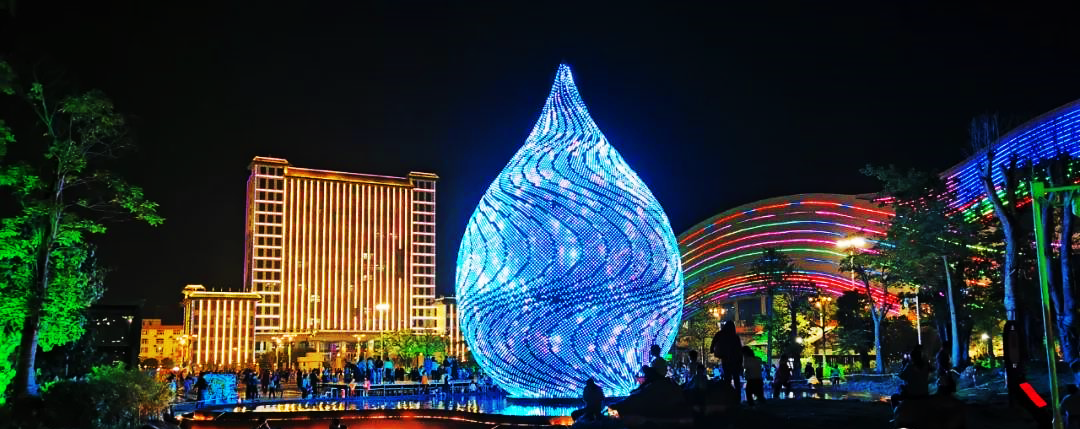
Forming a complete closed loop of “data acquisition → analysis → visualization → simulation → decision-making,”operational parameters are mapped in the 3D scene in real time. Anomalies are automatically located and work orders generated, realizing whole-lifecycle intelligent supervision of lighting assets—a true Digital Twin Lighting management practice.
ncludes nine control strategies:
The system significantly reduces overall energy use.
Integrating multi-dimensional perception such as radar, Kinect, music, and heart rate, it incorporates ten standard interactive algorithms. Edge computing paired with a game-level rendering engine delivers low-latency real-time interaction.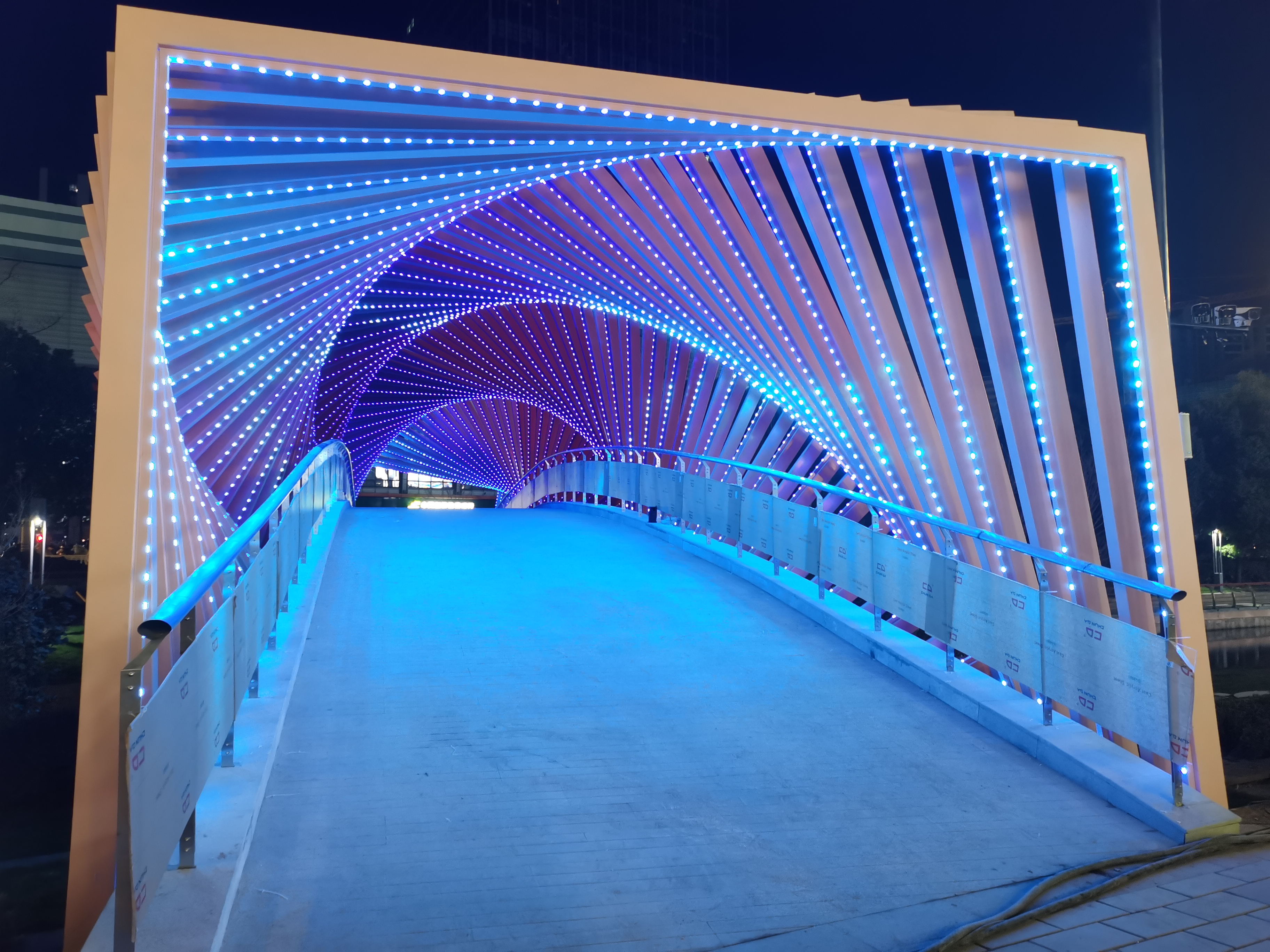
The fourth-generation "Smart Cloud Control" integrates an SD card controller, a 4G Cat.1 module, and a BeiDou/GPS module into one unit. It directly communicates bidirectionally with the cloud platform via mobile networks, achieving remote program publishing, multi-parameter cross-region adjustment, and proactive fault reporting—an exemplary Smart Cloud Control implementation.
The M280 controller from Seekway Innovations combines SD card reading, 4G cloud control, and GPS modules into a single master control unit. Whether you want to arrange effects through LED Player or adjust effects via mobile phone or web, the M280 master controller can meet your needs.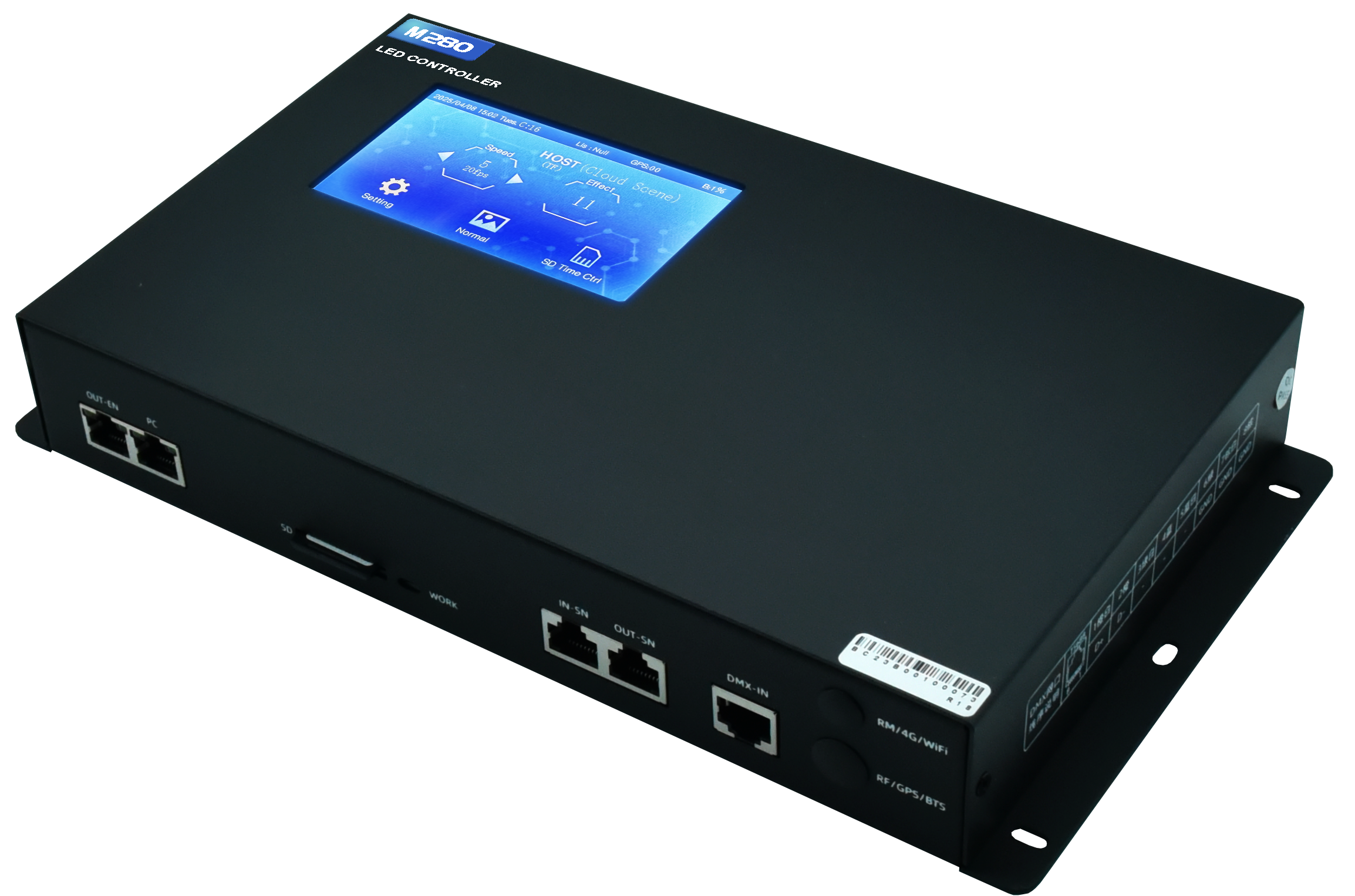
The controller uses wireless networking; luminaires receive cloud commands through 4G, eliminating extensive cabling and adapting to complex settings like bridges and rivers. Intelligent Addressing writing technology supports five verification modes, with addressing automatically identified and written, boosting commissioning efficiency by 90%. Local storage and offline self-sustaining capability ensure pre-stored programs run independently when the network is interrupted, offering dual cloud-edge reliability—further demonstrating the flexibility of a robust Smart Lighting Cloud Platform.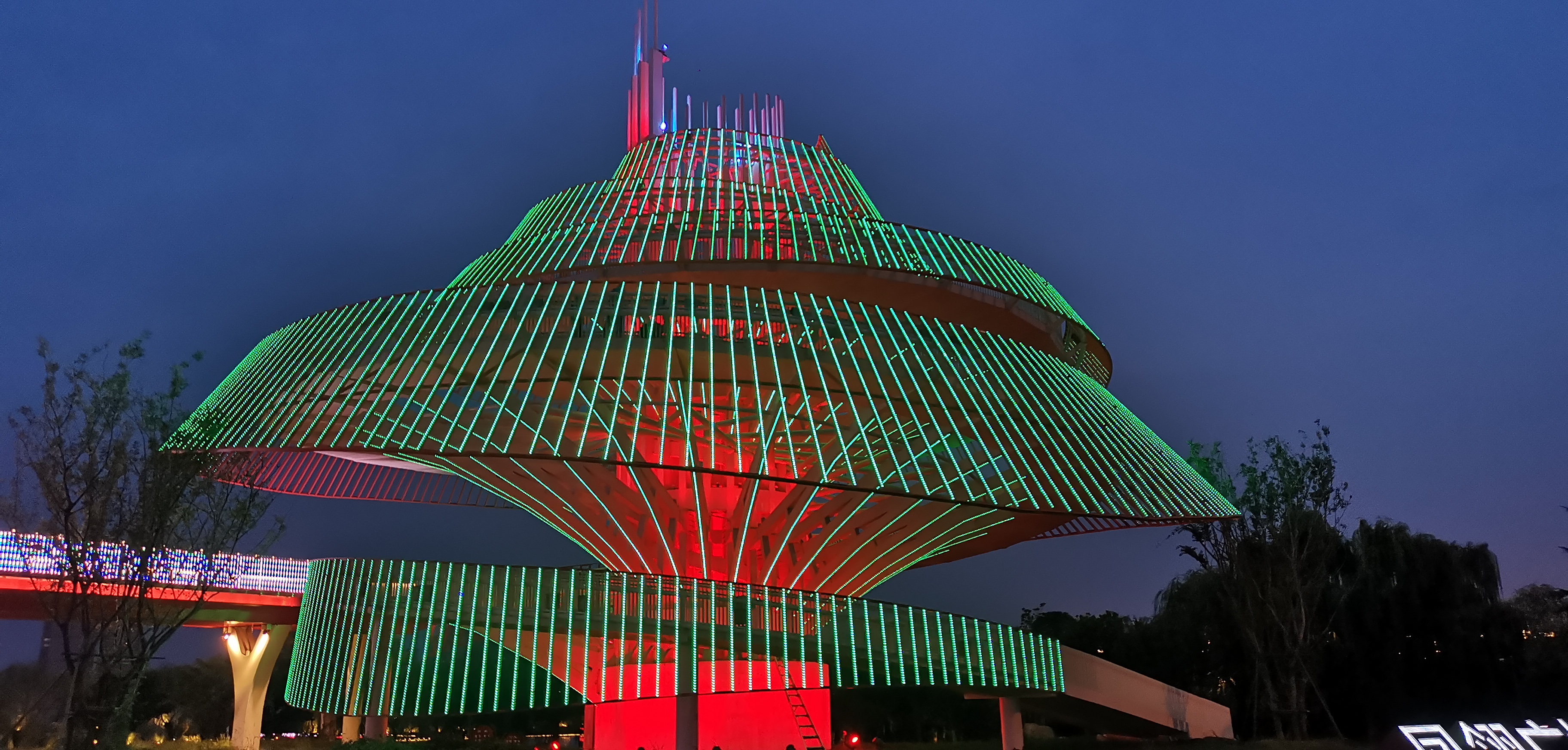
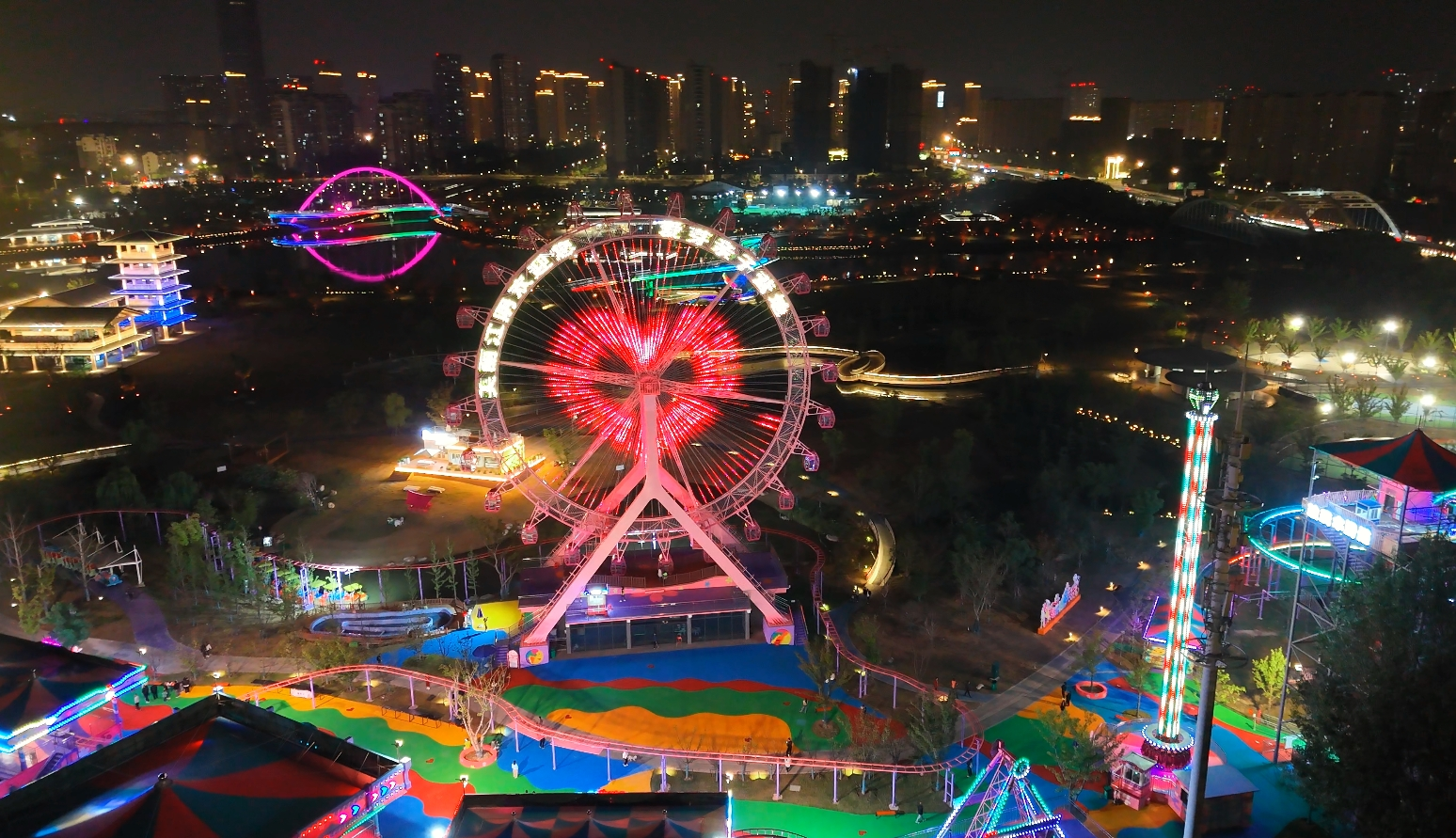
Seekway Cloud-Base Control System adopts the technical triad of Digital Twin Lighting, cloud-edge collaboration, and multimodal control, elevating fragmented lighting projects to a new intelligent level with full-scene awareness and self-optimizing operation. It provides a clear technological path for the digital transformation of lighting infrastructure. Want to learn more about the Seekway Innovations Cloud-Based Control System? Feel free to leave a message.


