
2025-11-26

Simple price comparison is the root of the purchasing trap. It is recommended to adopt a six-dimensional evaluation weight model to go beyond simple price comparison and establish a scientific multi-dimensional evaluation system.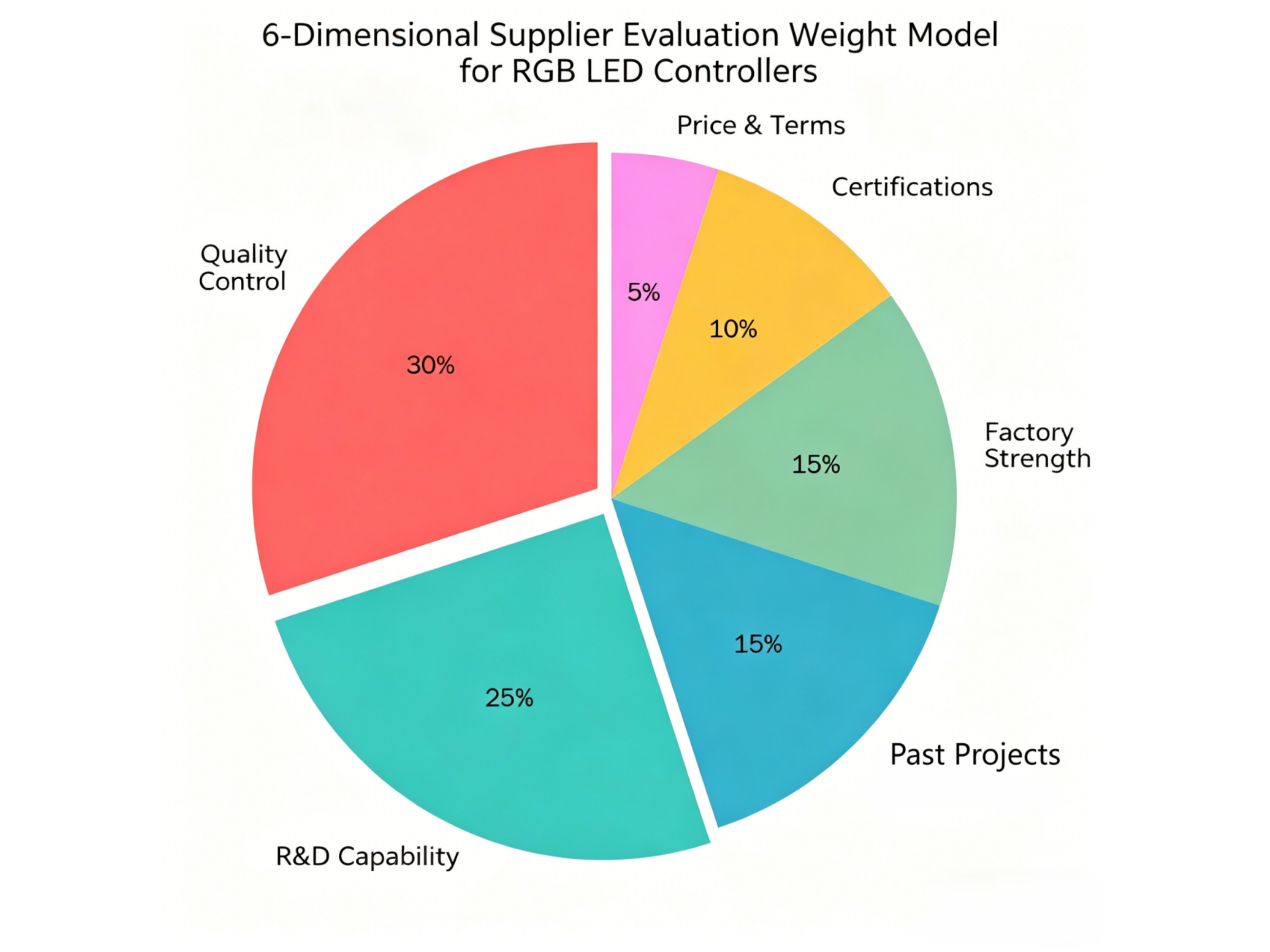
|
Dimension |
Recommended Weight |
Key Evaluation Points |
Verification Method |
|
Quality Control |
30% |
IQC/IPQC/OQC processes, testing equipment, defect rate, quality certifications |
Review records, on-site observation |
|
R&D Capability |
25% |
R&D team size & engineer ratio, number of patents, new product launch speed, completeness of technical documents |
Interview technical director, review patent certificates |
|
Factory Strength |
15% |
Production capacity, equipment advancement, automation level, capacity utilization |
On-site audit & production line inspection |
|
Past Projects |
15% |
Customer tier (whether serving international famous brands), project scale, customer feedback |
Project list, customer follow-up |
|
Certifications |
10% |
Completeness & authenticity of certifications, test reports, authority of certification bodies |
Verify certificate numbers on official websites, check test reports |
|
Price & Terms |
5% |
Price rationality, TCO, payment terms |
Multi-party quotation, long-term cost calculation |
To avoid the risk of "nominal parameters do not match actual performance", it is recommended to carry out technical inspection and testing procedures.
Key performance tests include load capacity testing, 2 hours of full load operation, monitoring temperature rise, case temperature below 65°C is preferable, below 75°C is acceptable, and above 75°C is risky. The stability test runs continuously for 72 hours, monitoring the failure rate, restart frequency, and communication packet loss rate. Compatibility test and actual docking test with target lamps and control systems to verify the integrity of DMX512/RDM protocol. EMC pre-testing uses simple EMC test equipment such as spectrum analyzers to screen for obvious interference issues.
In terms of destructive sampling inspection, sampling inspection is carried out for batch orders, using the general inspection level 2, and the defect acceptance standard is no more than 1 per 100 units, and destructive anatomical analysis is carried out if necessary. Specific testing includes: measuring the number of circuit board layers and copper foil thickness with a metallographic microscope, checking whether the component brand and specifications are consistent with the list, using a microscope to check the soldering quality, X-ray fluoroscopy to detect hidden solder joints, and slicing to analyze the internal structure of the through-hole.
Based on the rigorous technical inspection and destructive sampling standards outlined above, Seekway Innovations operates in-house SMT and AOI automated production lines, ensuring the performance stability and long-term reliability of every batch of LED control equipment through full-process quality control.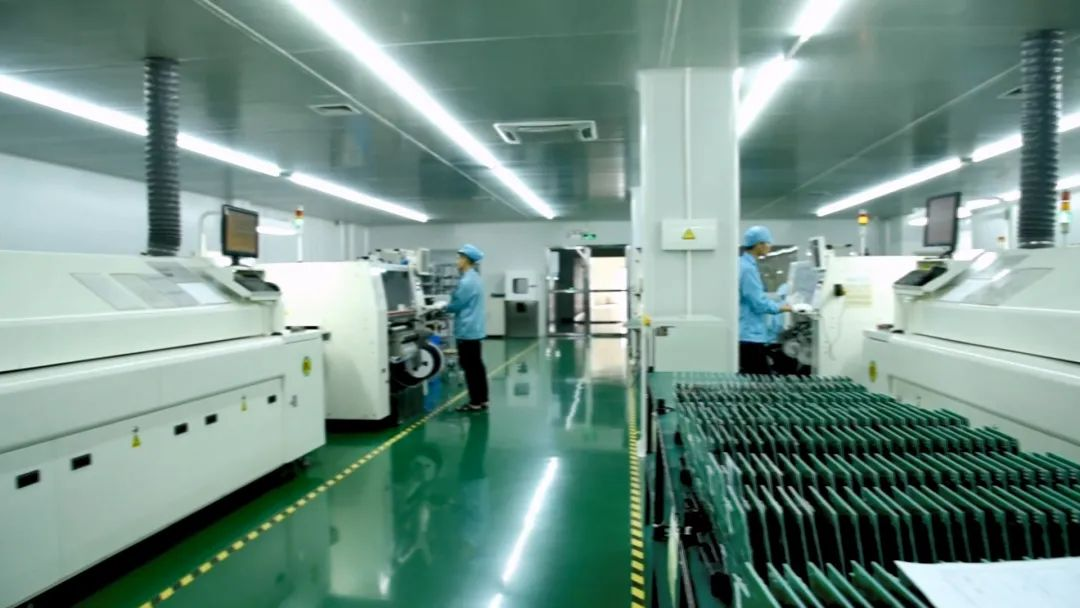
Seekway Innovations SMT clean production workshop for LED control equipment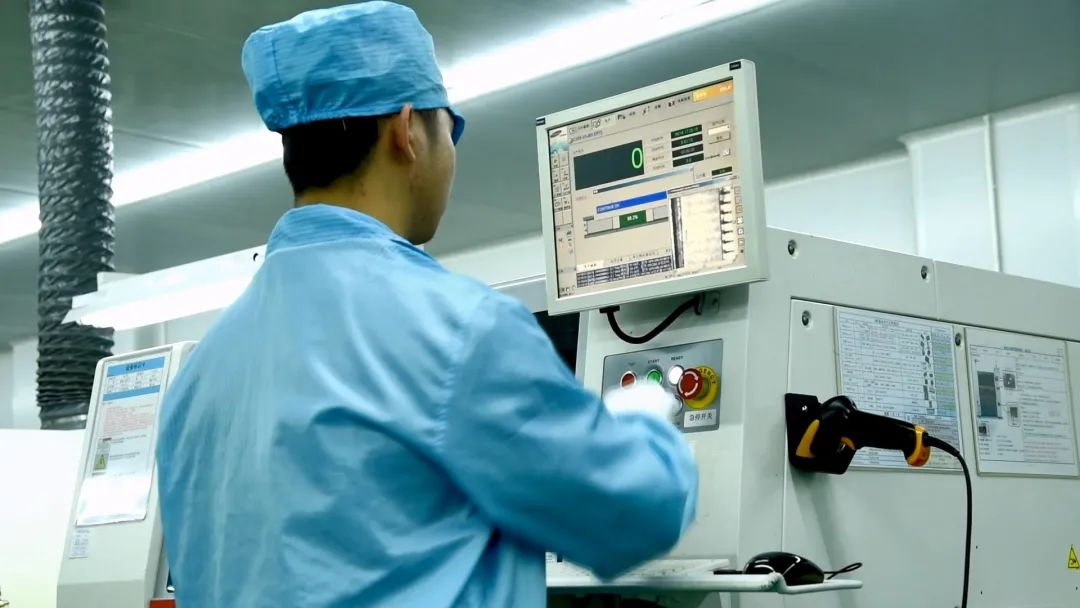
Technician operating automated production equipment for parameter adjustment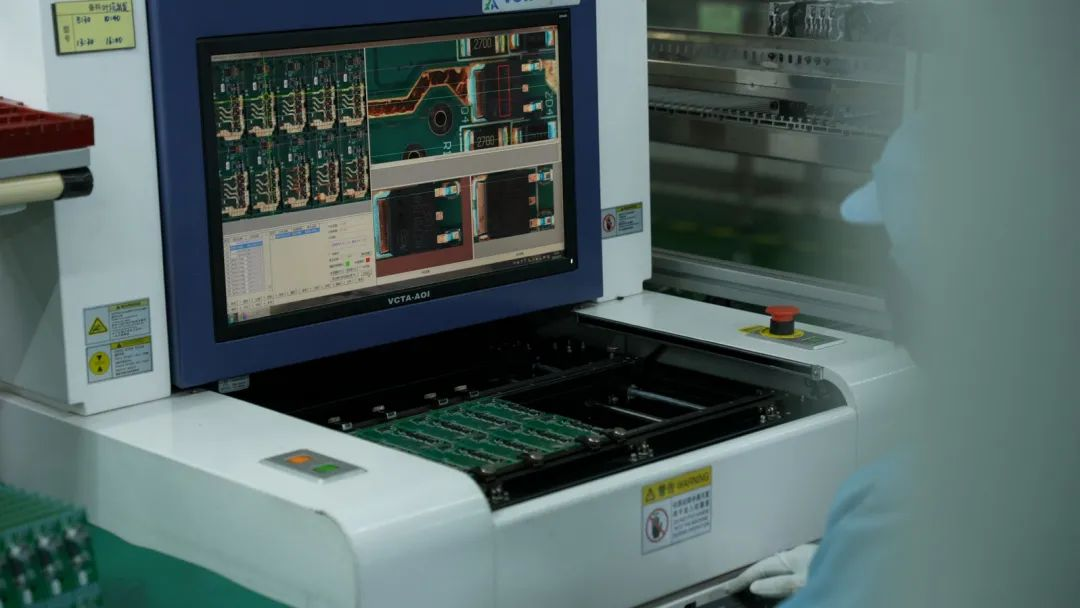
AOI optical inspection equipment for PCB quality testing
Establishing long-term strategic cooperation with high-quality suppliers rather than simple buying and selling relationships is the key to ensuring stable quality.
In terms of joint development model, we will establish a joint development mechanism with core suppliers to share market demand information, jointly define product specifications, and ensure that products accurately match application scenarios. For example, in response to the lighting needs of museums, we have jointly developed customized controllers with ultra-high color rendering index CRI greater than 95 plus precise color temperature control plus or minus 50K.
In terms of long-term agreements and commitments, through annual framework agreements, capacity reservation commitments, minimum purchase volume guarantees, etc., in exchange for priority guarantees in quality, delivery and technical support from suppliers.
In terms of value sharing rather than price squeezing, avoid simple annual price reduction requirements such as 5% price reduction per year, but work with suppliers to optimize the cost structure, such as simplifying packaging, optimizing logistics, and jointly purchasing components, and sharing the benefits of cost reduction.
The ultimate task of buyers is to translate high quality into a marketable value proposition.
In terms of value sales rather than price sales, the value of high-quality products is clearly communicated to end customers. The TCO advantage shows a 3-5 year total cost of ownership comparison, emphasizing the high hidden cost of low-priced products. Effect guarantee emphasizes the impact of color consistency and stability on project results, providing illuminance simulation and effect preview. Risk avoidance accounts for potential failure risks and project delay costs for low-priced products, providing a commitment to quality assurance.
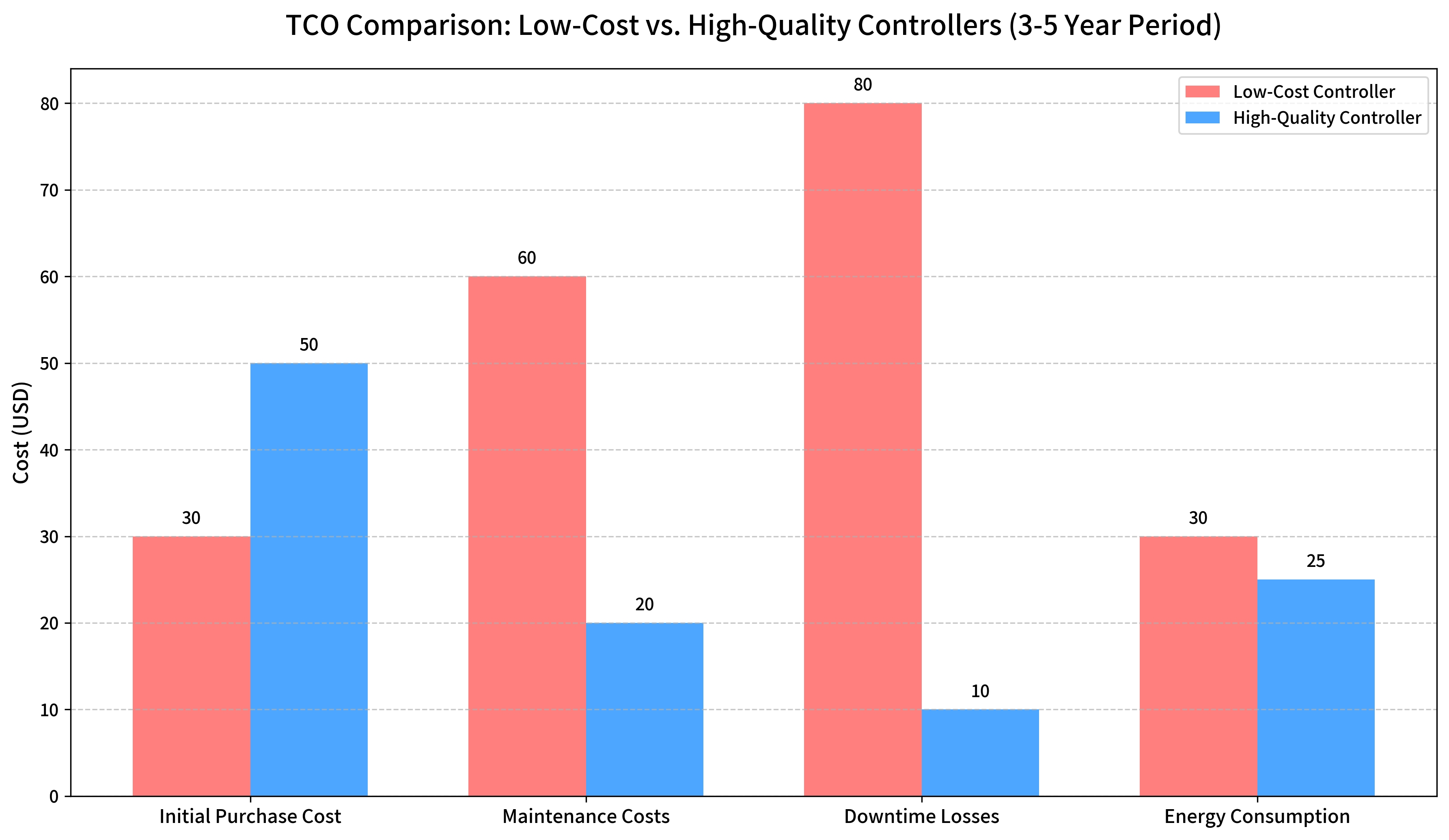
In terms of quality commitment and guarantee, provide clear quality commitments. The failure rate of the "3-year zero failure" warranty is less than 1%, and the excess is replaced free of charge. The promise of "full refund for substandard results" based on objective photometric data. "48-hour response" service commitment, remote technical support and on-site service.
Market differentiation has intensified, and the coexistence of low-end red ocean and high-end blue ocean is the main trend in the next five years.
The RGB LED controller market is clearly differentiated: the price war in the low-end market continues, while the demand for intelligence, integration and personalization in the high-end market is growing rapidly.
The reshaping of the image of "Made in China" is taking place from "cheap" to "reliable, innovative and cost-effective". With the rise of a number of value-oriented manufacturers, "Made in China" is undergoing a reshaping from "low cost" to "high quality". The key to this transformation is verifiable quality, building trust through authoritative certifications, third-party testing, and customer testimonials. Innovation can be perceived, and innovation capabilities are demonstrated through original technology, patent layout, and design awards such as iF and Red Dot. Service can be relied upon, and service reputation is built through rapid response, technical support, and long-term commitment.
Industry trends from 2024 to 2025 show that the demand for healthy lighting Human Centric Lighting is growing, putting forward higher requirements for dimming accuracy and color temperature adjustment range. The deep integration of smart lighting and IoT, and the popularization of the Matter standard, require controllers to have stronger interconnection capabilities. Sustainability requirements have increased, energy efficiency standards such as Energy Star and EU ERP have become stricter, and carbon footprint traceability has become a new requirement.
Intelligence, integration and personalization are the three major directions of product upgrades. The future technological evolution of RGB LED controllers will revolve around these three main lines.
These upgrade directions put forward higher requirements for the underlying quality of the controller, which is no longer an "optional" but a "must". Suppliers who continue to invest in R&D, rigorously test, and achieve full international certifications will be better positioned to serve high-end commercial, architectural, and entertainment lighting projects.
Conclusion
In an increasingly fragmented market, partnering with suppliers that focus on quality, innovation, and transparency is the best long-term return.
If you are looking for an RGB LED controller manufacturer with complete international certifications, strong R&D capabilities, and rich project experience, please contact Seekway Innovations, we will be happy to provide technical information, sample testing support, and customized solutions for your project.


